Lessons from the kitchen
Five-minute read
Lwil maskriti — the oil of care, from mother to child
Long before castor oil was sold as a treatment, it was pressed on the Arcahaie plain and kept in the house, for hair, for hands, for children.
Racine Journal
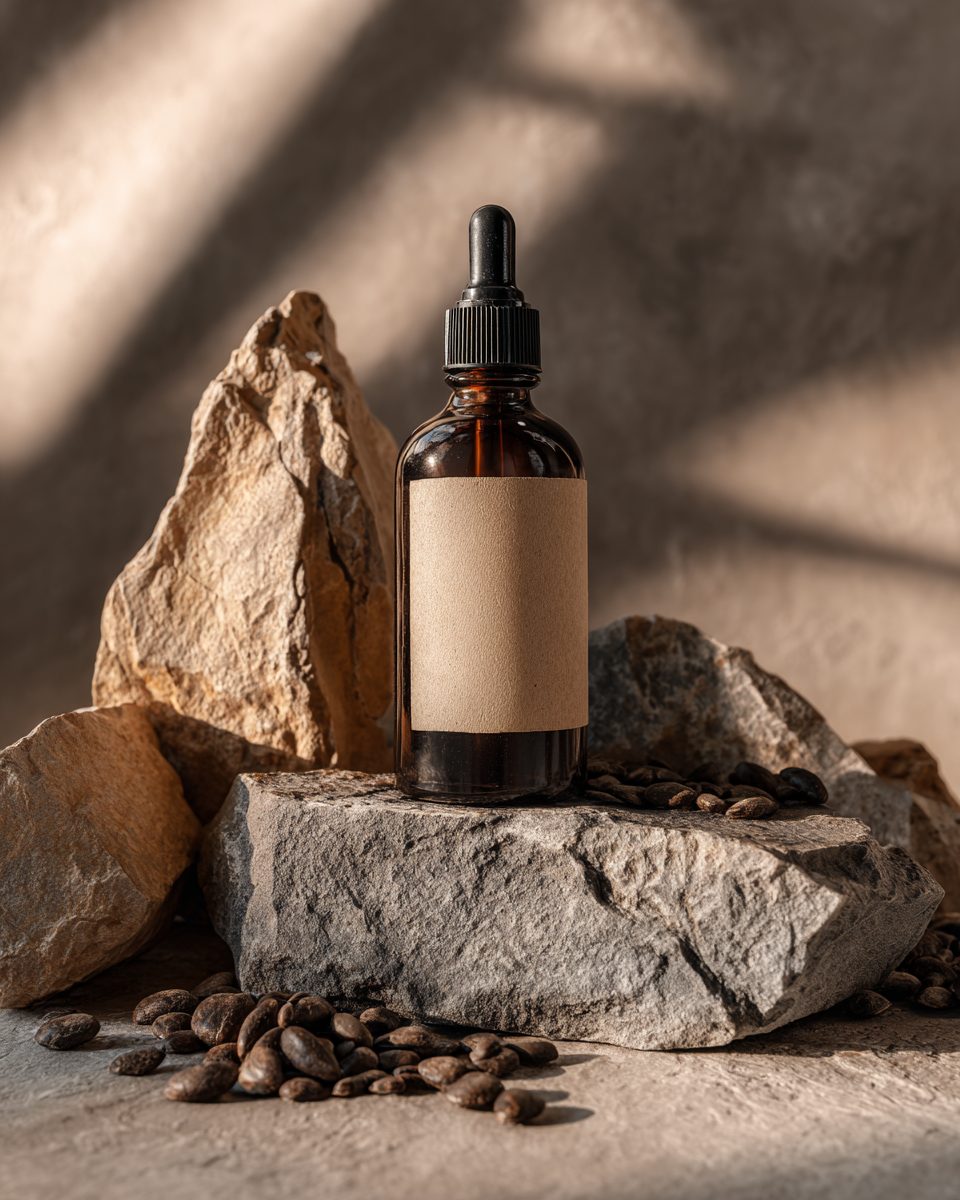
On the Plaine de l’Arcahaie, north of Port-au-Prince, castor beans are roasted before they are pressed. The roasting is what gives Haitian castor oil its colour and its faint toasted smell, and it is what separates lwil maskriti from the clear, odourless oil sold in pharmacies elsewhere.
It is made in small quantities and it stays close to home. A bottle sits in the house and is used without ceremony — through the ends of the hair on a Sunday, over a child’s scalp, into hands worn down by work, on any patch of skin that has been asked to do too much.
A household inheritance
Nobody was ever taught this formally. It passes the way most useful things pass in a family: someone older does it to you, and years later you find yourself doing it to someone younger, in the same order, with the same amount.
That is the whole basis of the body oil. We cut the castor with a lighter oil so it moves across the skin rather than sitting on it, and we left the rest alone. There is no improvement to be made on a practice that has already been tested for a few hundred years.
How to use it
Warm a few drops between the palms first — the oil spreads much further than it looks like it will. Damp skin takes it better than dry. Left in the scalp for an hour before washing, it does more than any amount of it applied after.