Ingredients · Growers and origins
Four origins, one country.
Racine is built on four Haitian raw materials, each from a named place and each already grown for something else. The formulation is the smaller part of the work; the growing is the greater one.
Vetivè
Vetiver root — grounding, purifying
Mango
Mango butter — deep hydration
Maskreti
Haitian castor oil — repair, strength
Kakawo
Cacao — antioxidant nourishment
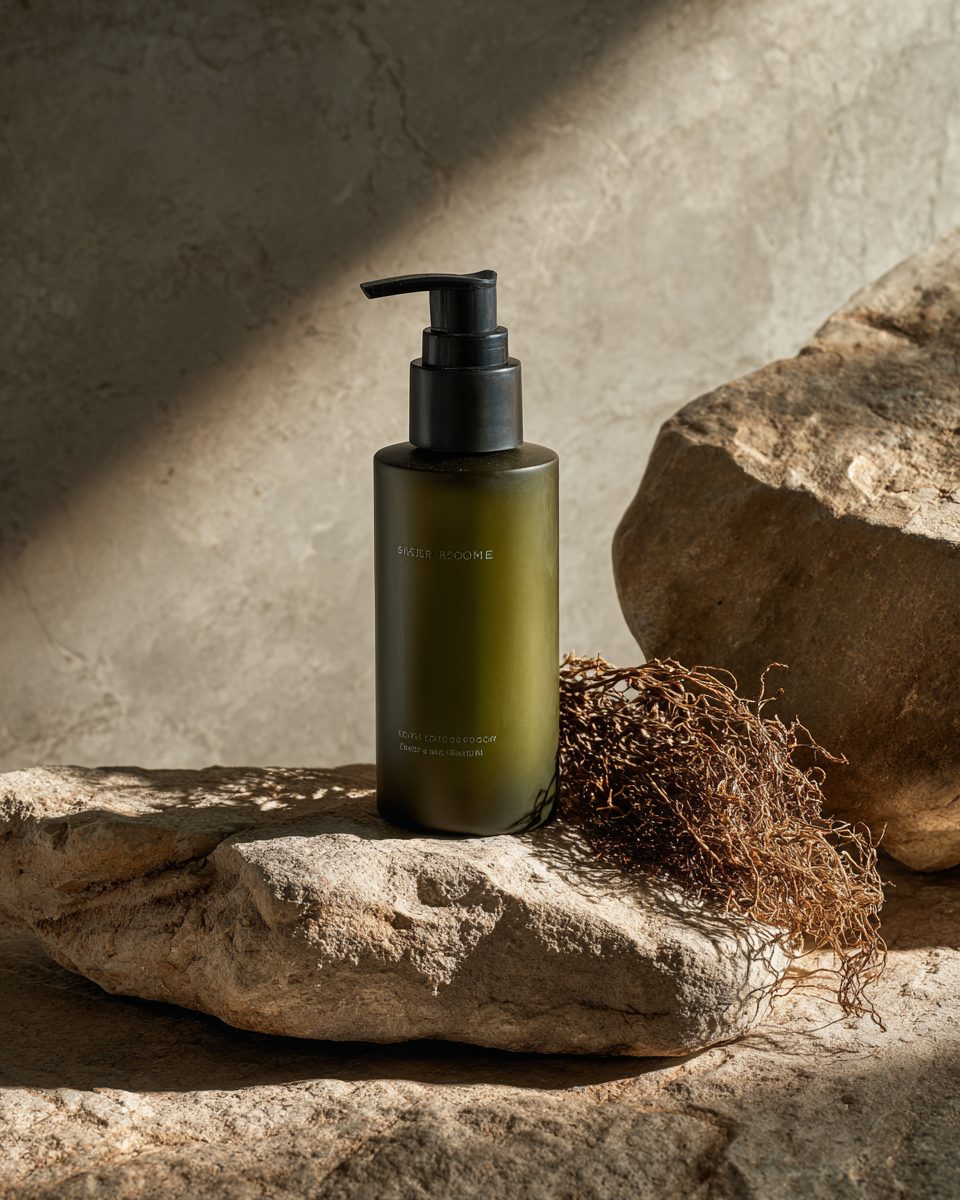
Les Cayes, Sud
Vetivè
Vetiver root is sourced from grower cooperatives in the hills above Les Cayes, in Haiti’s Sud department — the same terroir that supplies the world’s great perfume houses.
- In the formulation
- Vetiver root extract, aloe leaf, coconut-derived cleansers
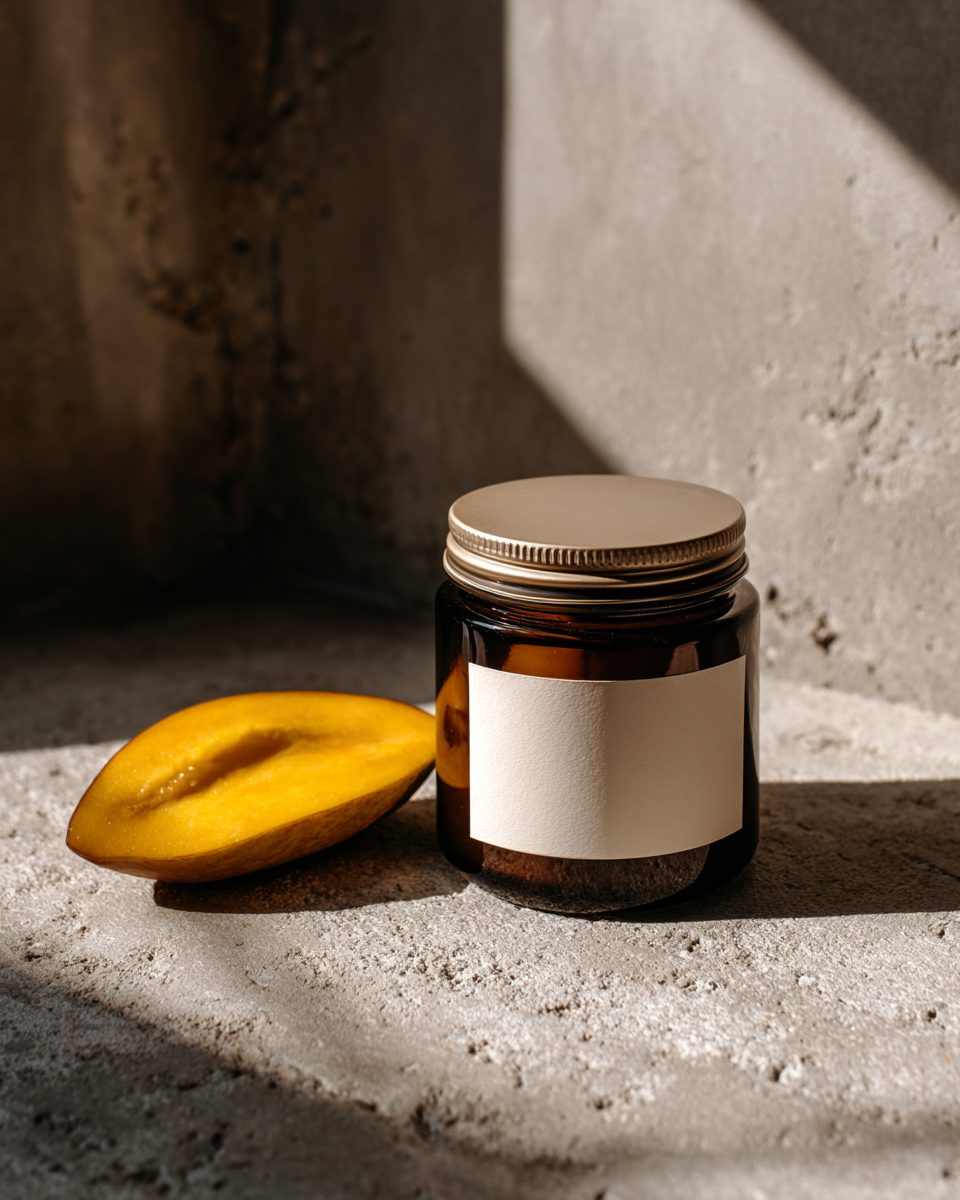
Gros-Morne, Artibonite
Mango
Mango kernels are collected in the orchards around Gros-Morne, in the Artibonite, from fruit already harvested for the table — the seed is what the kitchen leaves behind.
- In the formulation
- Mango seed butter, shea butter, glycerin, vitamin E
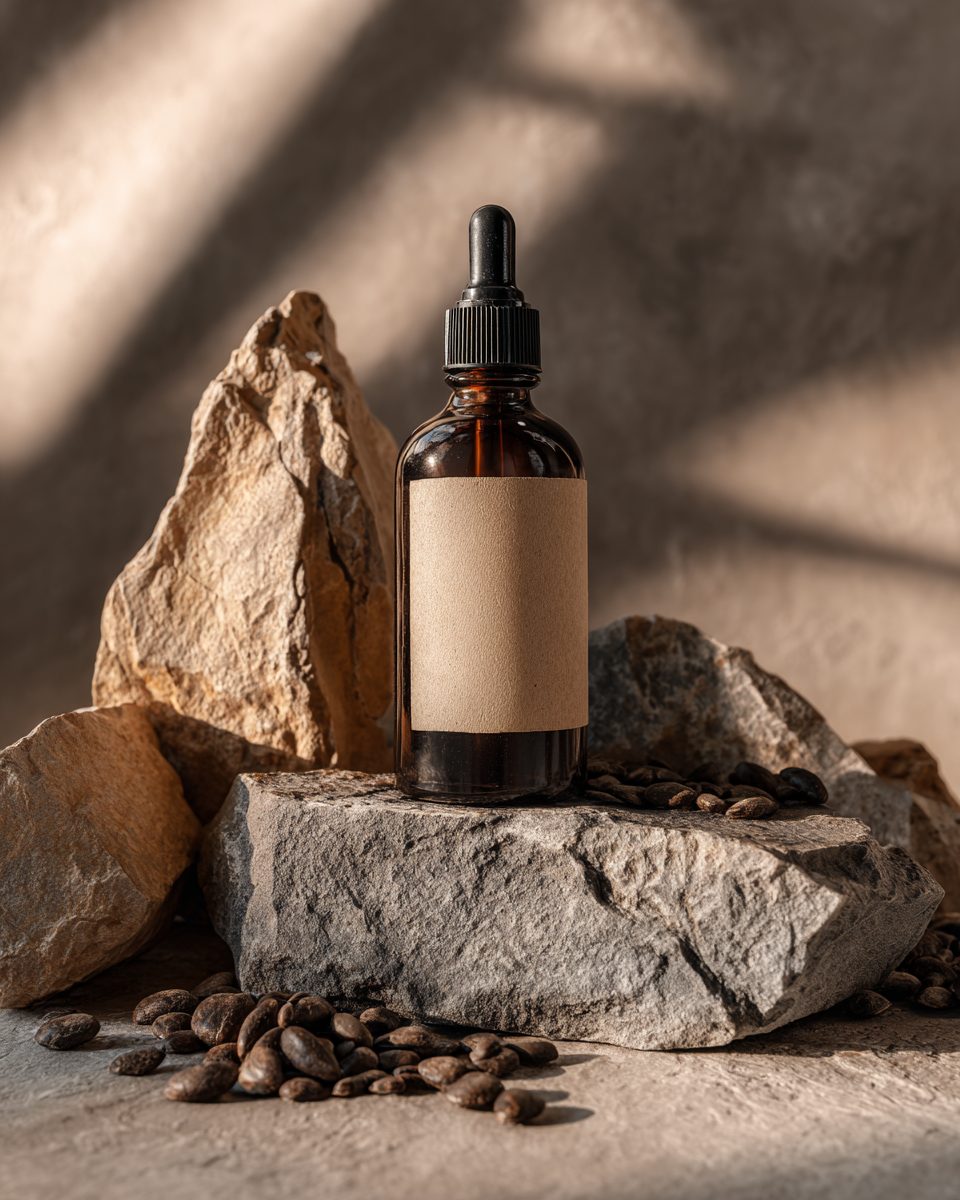
Plaine de l’Arcahaie
Maskreti
Castor beans are grown and cold-pressed on the Plaine de l’Arcahaie, north of Port-au-Prince, where lwil maskriti has been made and passed down household to household for generations.
- In the formulation
- Haitian castor oil, sunflower oil, vetiver root extract
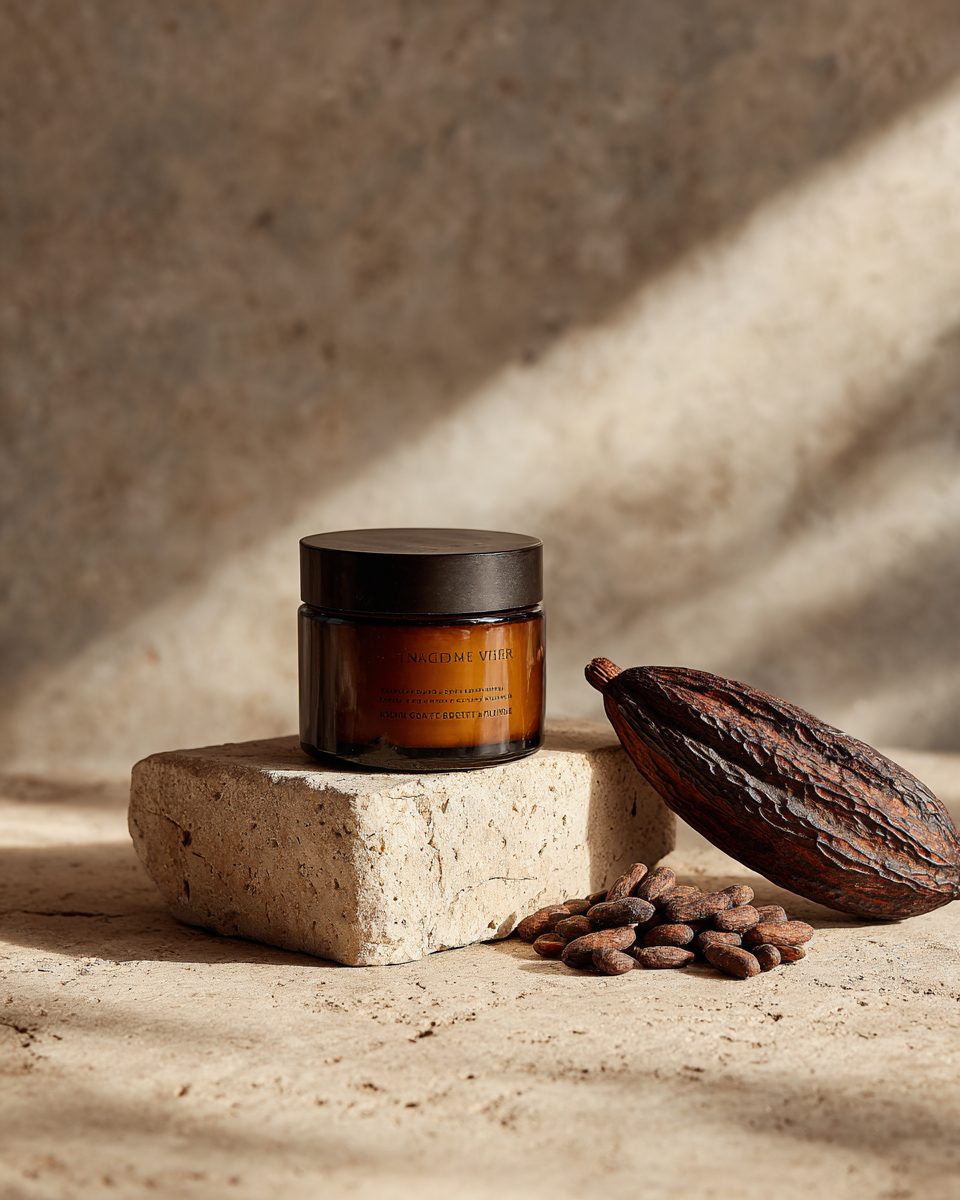
Grand’Anse
Kakawo
Cacao comes from smallholder groves in the Grand’Anse, at the far western end of the southern peninsula, where the husk left by fermentation is milled rather than discarded.
- In the formulation
- Cacao husk powder, kaolin clay, mango seed butter
Full ingredient lists appear on each product page. They are illustrative until the formulations are confirmed with the lab.

Half a century of vetiver has left the country unnamed.
The Journal follows each raw material back to the hillside, the orchard and the grove it came from, and to the growers who work them.
Read the Journal